

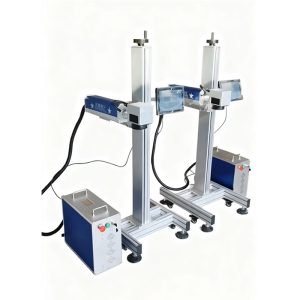
The mirror laser sandblast machine is mainly used for frosting, pattern engraving and back-coating removal of flat mirror glass. It has corresponding requirements for the glass substrate, reflective layer, protective back paint and plate appearance of the workpiece, as detailed below:
1.Requirements for glass substrate
Soda-lime-silica float glass and ultra-clear glass are preferred. The machine can process aluminum mirrors and silver mirrors, and is also applicable to tempered glass (laser drilling on tempered glass is not recommended, as stress fracture may easily occur). The recommended glass thickness is 3–12 mm with good thickness uniformity and small thickness deviation. No bubbles, stones or sand inclusions are allowed inside the glass; otherwise, burst points and cracks will easily form at defective positions after laser processing. The glass panel shall meet the flatness requirement without obvious warpage to ensure stable laser focus.
2.Requirements for reflective layer and back paint coating
The workpiece is normally a second-surface mirror, whose metallic reflective layer is deposited on the rear side of glass. The reflective layer (silver or aluminum layer) shall have uniform thickness without local missing plating or pinholes. The back protective paint shall feature good adhesion and consistent thickness. Uneven thickness or poor adhesion of back paint will cause burrs and coating peeling at edges of laser de-coating areas, damaging the appearance of finished mirrors. First-surface front-reflection mirrors are not suitable for backside processing by this machine.
3.Requirements for plate appearance and cleanliness
The glass surface shall be clean and free of oil stains, fingerprints, glue residues and dust before processing. Surface scratches, chipped edges and missing corners degrade processing quality, and workpieces with severe defects should be rejected in advance. The plate should be kept dry as moisture affects laser energy absorption and results in uneven frosted texture.
4.Prohibited or restricted materials
Acrylic mirrors, plastic mirrors and some composite multi-layer flexible optical panels are not applicable. Special glass with abundant impurities and uneven composition shows poor processing stability. Old mirrors with severe moisture damage or blistering and peeling back paint are not suitable for processing.